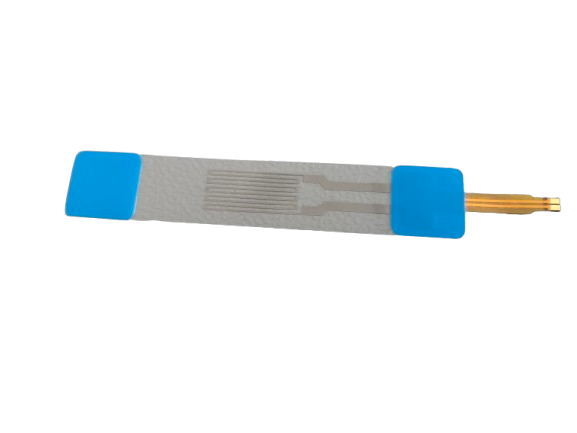
Stretchable sensors designed to measure deformation and movement in flexible and deformable systems.
Elastic stretchable sensors based on liquid metal conductive ink for strain and motion sensing
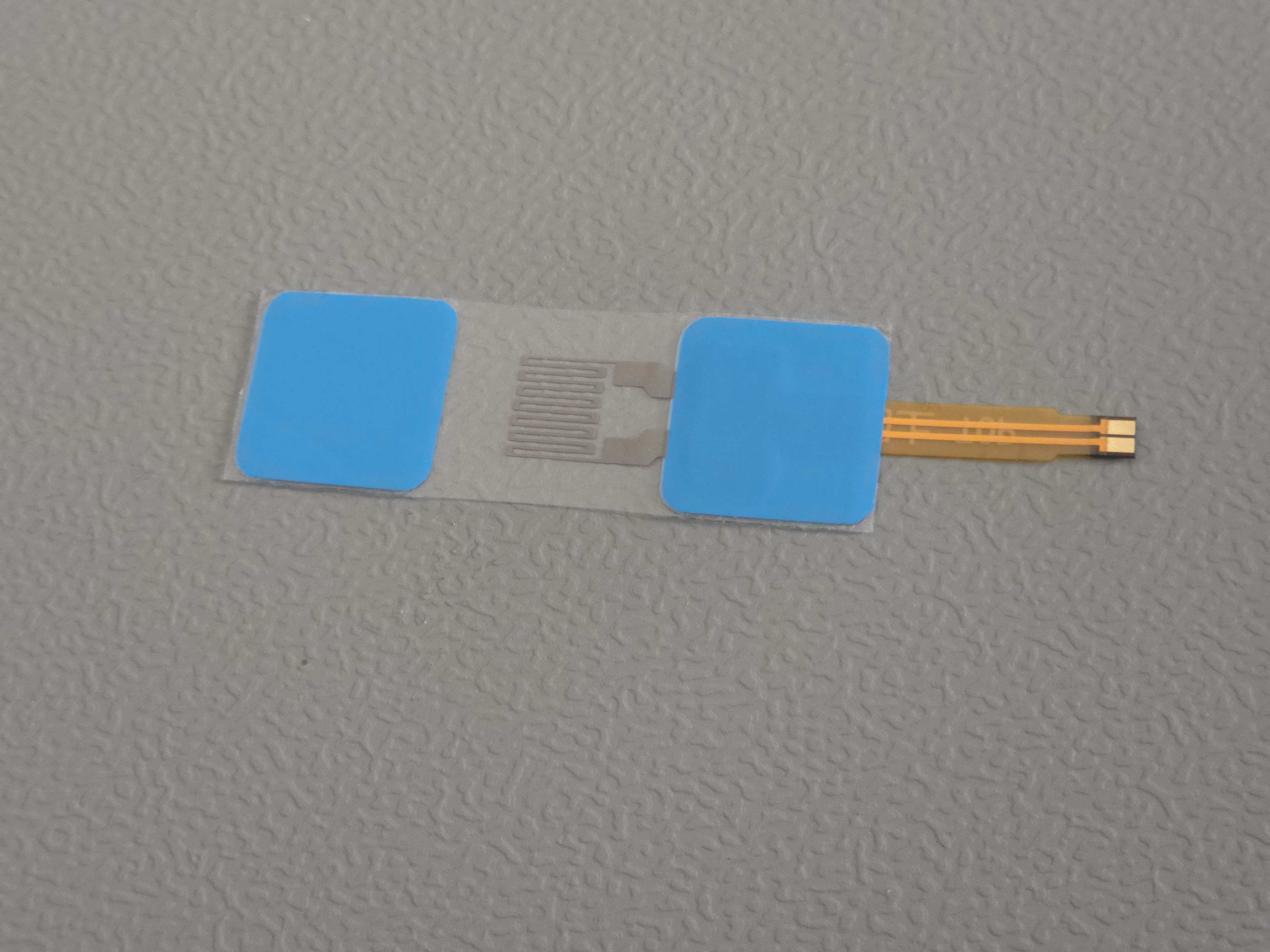
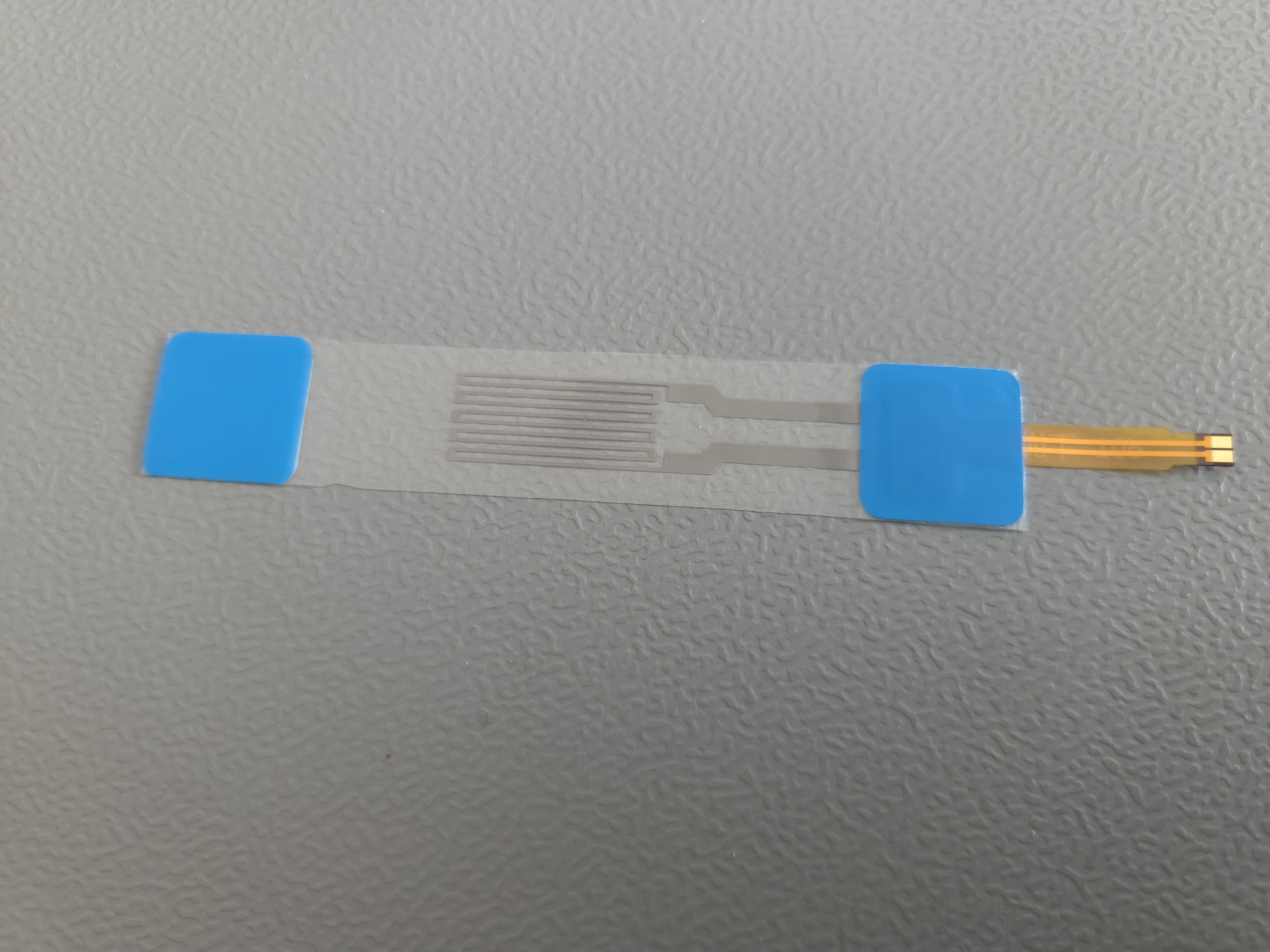
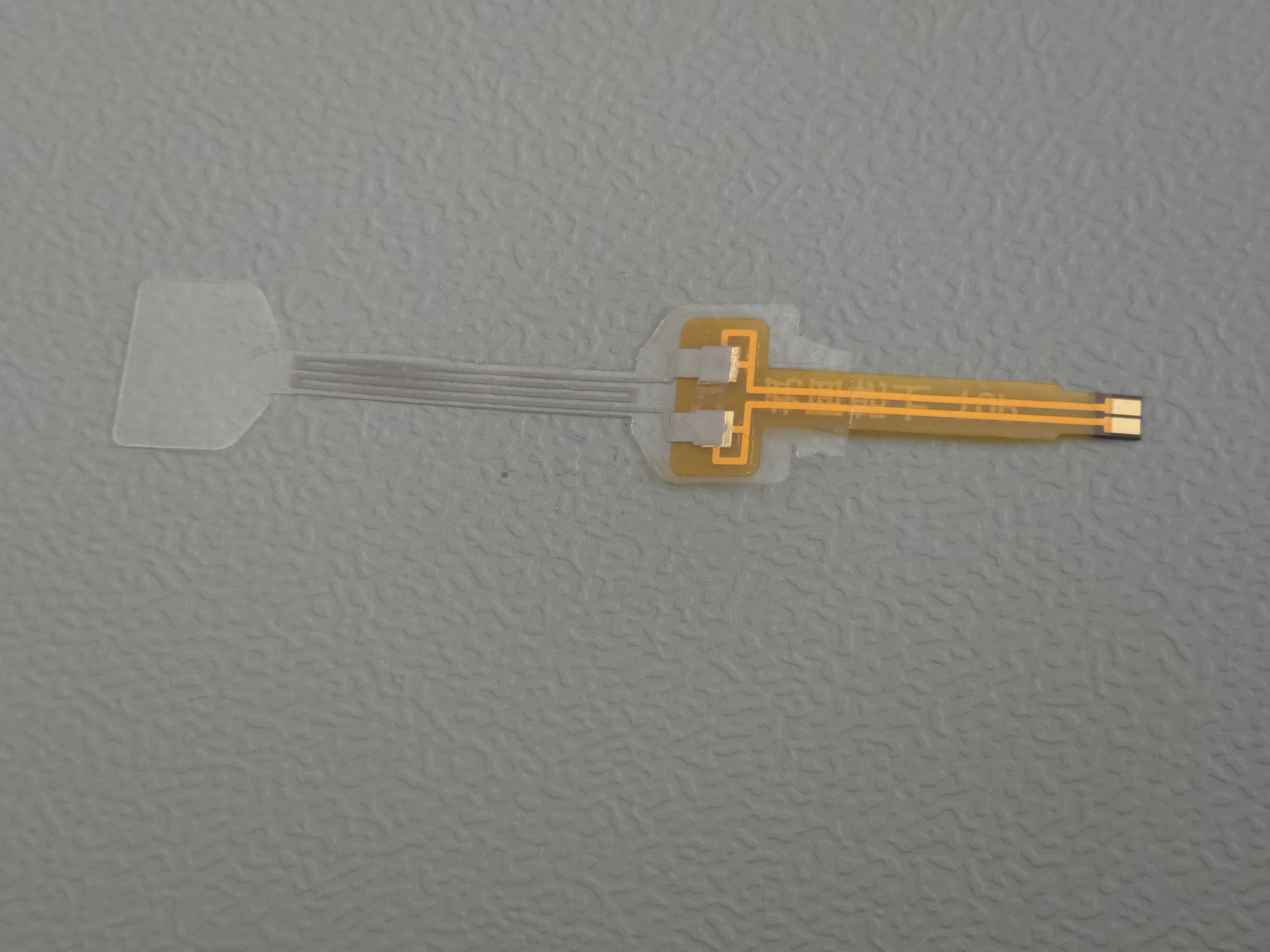
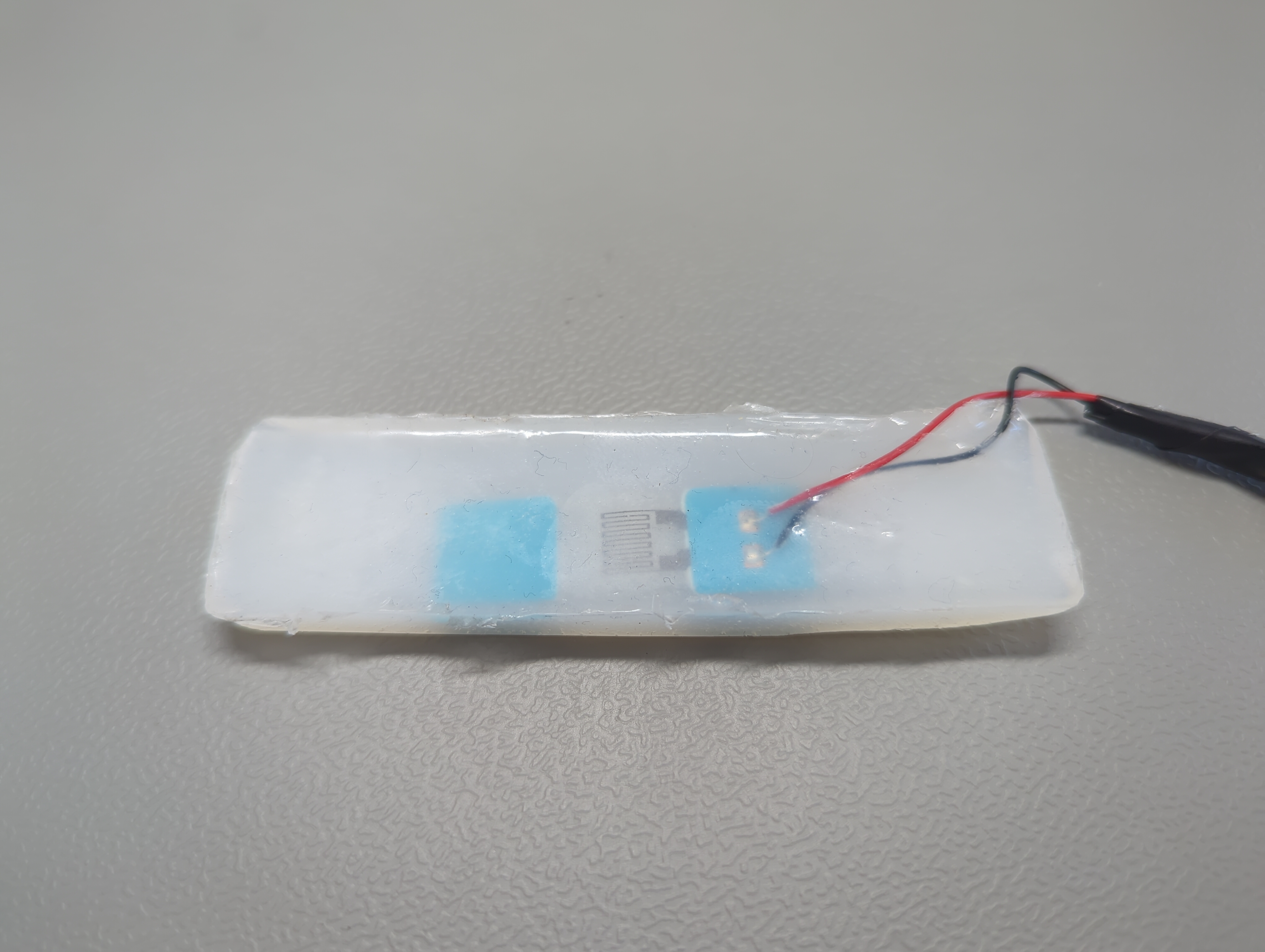
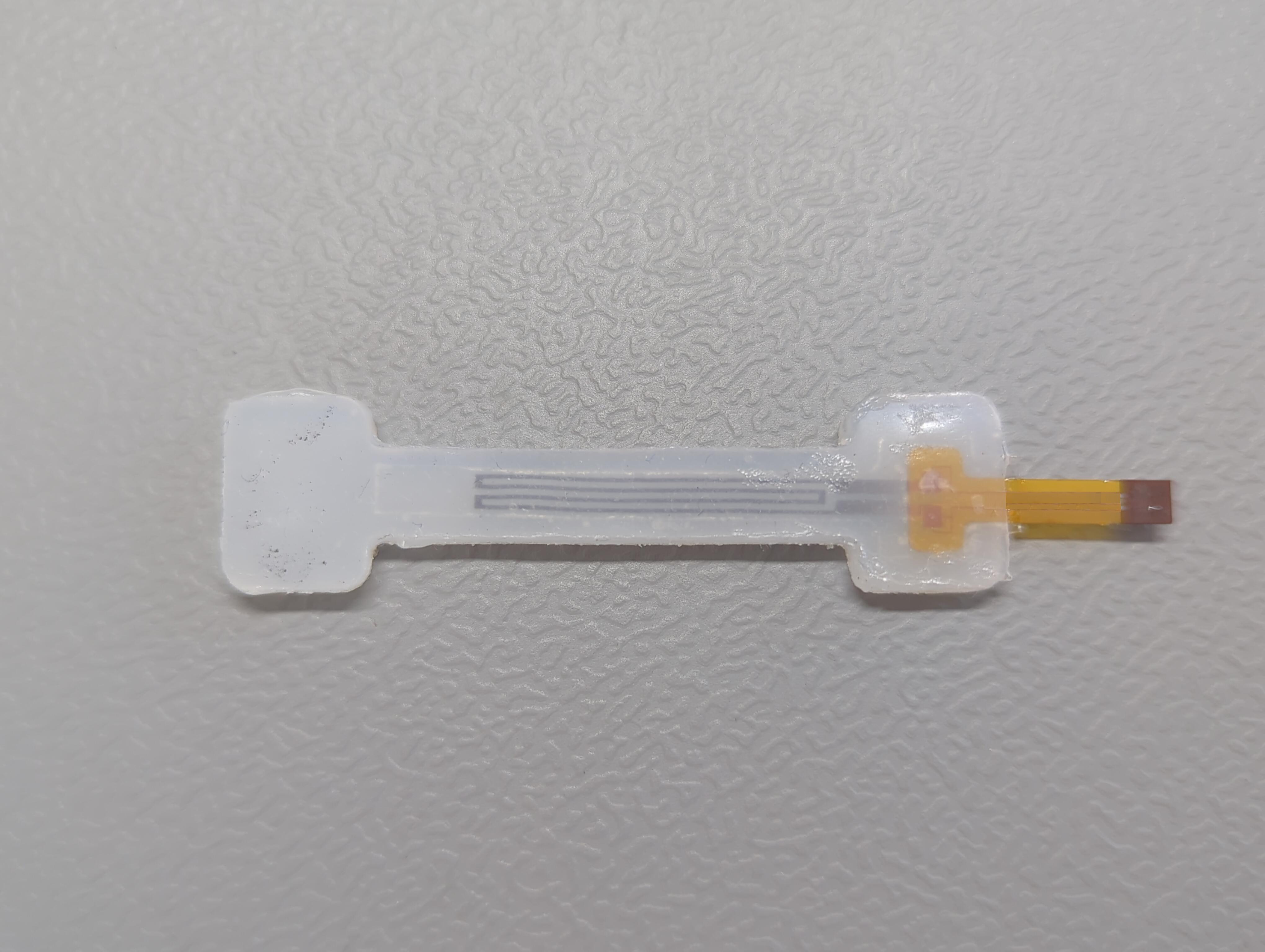
Stretchable strain sensors are flexible electronic sensors that measure deformation, stretching, bending, or compression while remaining fully functional. Our sensors are manufactured by printing liquid metal conductive ink onto an elastic substrate, allowing them to stretch together with the material. They are ideal for applications requiring high flexibility and mechanical durability.
Stretchable strain sensors are widely used in:
Our technology supports multiple sensing principles depending on the application:
Yes. Since our sensors are fabricated using printed liquid metal electronics on stretchable elastomers, they can be customized for specific applications.
Yes, we can manufacture custom electrode geometries optimized for your application.
Our stretchable sensors are manufactured using gallium-based liquid metal conductive ink printed onto highly elastic polymer substrates. This combination provides excellent electrical conductivity while maintaining flexibility, stretchability, and long-term mechanical reliability.
0–100% strain
0.01% strain
ΔR/R < 1% after 10,000 cycles at 50% strain
Less than 0.1 ms. This ultra-fast response enables accurate measurement of rapid human movements, vibrations, and dynamic mechanical events.
−15 °C to +80 °C
10 MPa
Yes. Our sensors belong to the field of printed flexible electronics and stretchable electronics. By printing liquid metal conductive ink onto elastic substrates, we create lightweight, conformable sensors that maintain electrical performance even under significant mechanical deformation.
Liquid metal conductors maintain electrical continuity even under large strains, making them well suited for highly stretchable electronics. Compared with conventional metal foils or rigid printed traces, liquid metal sensors can offer improved flexibility, durability, and mechanical compliance for wearable and soft robotic applications.
Sensorised Core Sense develops stretchable strain sensors for measuring deformation, strain, and motion in flexible and deformable systems. Our sensors use liquid metal conductive ink printed onto elastic substrates, providing flexible and stretchable sensing for applications in wearable electronics, smart textiles, soft robotics, human motion sensing, and research and prototyping. Sensorised stretchable sensors can be customized in terms of sensor geometry and form factor to suit specific application requirements.